
Understanding the psychology behind gambling behavior in casinos
The Allure of Gambling
The excitement of gambling is deeply embedded in human psychology, drawing players into the electrifying atmosphere of casinos. The lights, sounds, and energy create a sensory overload that can easily overwhelm the rational mind. This environment stimulates the release of dopamine, a neurotransmitter associated with pleasure and reward, leading individuals to seek out the thrill of risk-taking. For many, this intense experience can create a desire to return, prompting a cycle of gambling behavior that is hard to break. Additionally, when looking for good online casinos, players often find themselves lured by these very same psychological triggers.
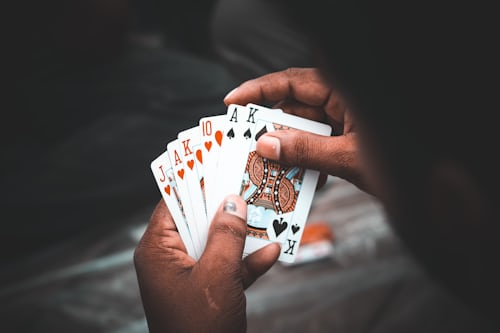
Additionally, the element of unpredictability plays a significant role in the allure of gambling. Humans are naturally curious and often drawn to the unknown. The possibility of winning big, combined with the uncertainty of outcomes, can lead to a powerful compulsion to gamble. This psychological phenomenon encourages players to chase losses, believing that they can recoup their money if they just try one more time.
The Role of Cognitive Biases
Cognitive biases significantly influence how gamblers perceive their chances of winning. For instance, the illusion of control can lead players to believe they can influence the outcome of games based on their skills or strategies. This mindset is particularly prevalent in games like poker or blackjack, where players may feel that their decisions directly impact their success. This false sense of control can encourage continued play, even in the face of repeated losses.
Another common cognitive bias is the gambler’s fallacy, where individuals believe that past outcomes will influence future events. For instance, a player may think that a slot machine that hasn’t paid out in a while is ‘due’ for a win. This line of thinking can lead to misguided decisions, as it perpetuates the myth that luck is a predictable force rather than a random occurrence.
The Emotional Factors in Gambling
Emotions are pivotal in gambling behavior, with many players using gambling as an escape from stress or negative feelings. The thrill of winning can temporarily alleviate anxiety or depression, creating a cycle where individuals continue to gamble in search of that euphoric high. Furthermore, the social environment of casinos can amplify these feelings, as the camaraderie among players can provide a sense of belonging and emotional support.
On the flip side, the emotional fallout from losses can lead to detrimental effects, including guilt and shame. Many gamblers struggle with their decisions, oscillating between the highs of winning and the lows of losing. This emotional rollercoaster can result in compulsive behaviors, driving individuals deeper into gambling addiction.
The Influence of Celebrities
Celebrity gamblers play a unique role in shaping public perceptions of gambling. When high-profile individuals openly engage in gambling, they often glamorize the activity, making it appear more appealing and accessible to the general public. Their influence can create a sense of aspiration, with fans wanting to emulate their lifestyles, which may include recreational gambling.
However, the portrayal of gambling as a glamorous pastime can mask the potential risks and consequences. Celebrity endorsements and appearances in casinos can inadvertently encourage irresponsible gambling behaviors, particularly among impressionable fans. Understanding the psychological impact of celebrity culture on gambling habits is crucial in addressing the broader implications for society.

About Our Website
At our website, we prioritize providing a safe and informative environment for users interested in gambling behavior. We understand the complexities surrounding the psychology of gambling and aim to offer valuable insights into this fascinating subject. Our commitment to security ensures that users can explore this topic with peace of mind.
We strive to keep our content updated and relevant, helping you navigate the intricate world of gambling and understand its psychological underpinnings. Whether you are a casual player or seeking to learn more, our platform is here to support your journey in understanding the nuances of gambling behavior.